Clair Obscur: Expedition 33
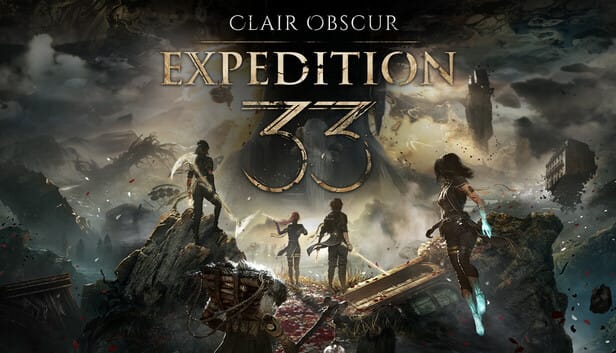
When Clair Obscur: Expedition 33 came out to great acclaim in early 2025, it was very exciting to see a turn-based RPG get so much praise and recognition. At the time, I had recently finished my over-80-hour playthrough of Metaphor: ReFantazio, so I wasn’t in the mood to jump into another long turn-based RPG. That, and shortly after that period, my wife and I moved to a new home, and all of my free time was torpedoed for months on end. By the time The Game Awards hit and Expedition 33’s historic wins made headlines, it was but a single speck on my growing backlog.
But I was always determined to play it, and in late April, I finally started the best game of 2025… and was kind of immediately disappointed.
I wasn’t disappointed by the presentation, the graphics, the story, or the music… all of the elements that have been rained with praise very much deserve that praise. But it was almost immediately apparent that this wasn’t really a turn-based RPG, and it wasn’t quite like other turn-based RPGs that incorporated active elements into themselves either. The dodge and parry system was punishing and rewarded precision to the point that parrying was the chief mechanic the player needs to master in order to succeed at the game. And when I saw that you get a healing flask to use between battles that is refilled at flags, but resting at these checkpoints also respawns enemies… yeah, it’s Dark Souls.
The cynic inside me was triggered. People like this turn-based RPG because it has Dark Souls elements crammed in? Really? That’s what it takes for a turn-based game to win Game of the Year in 2026? It felt like a joke. Like game critics and fans are just easily tricked. But I put that aside and pushed through and… let's get into it.
Gameplay and Systems
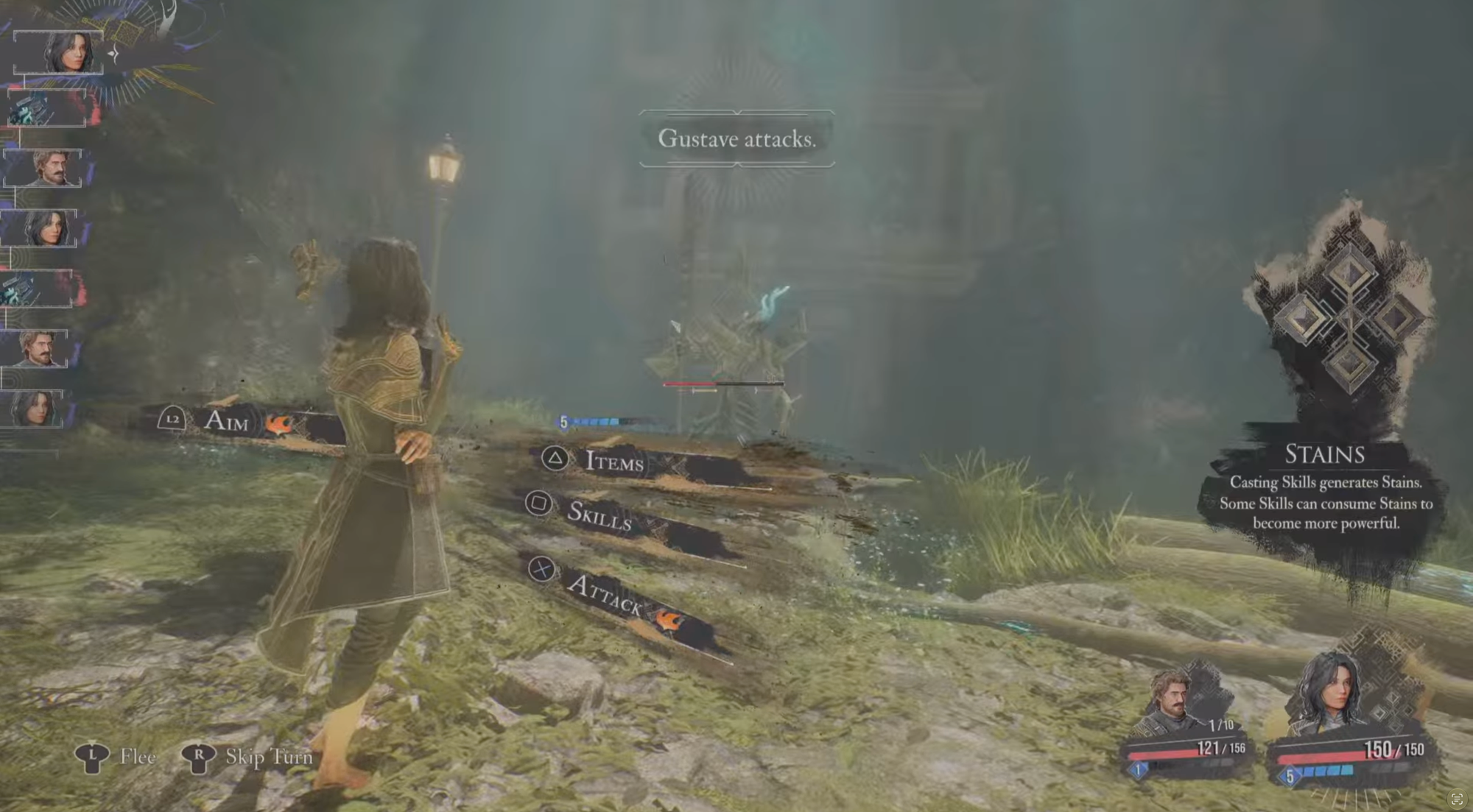
The weapons and skills systems in Expedition 33 are expansive and well thought out. They involve elemental powers that monsters can have resistances or weaknesses to, so tweaking your build in certain areas or against certain bosses becomes essential.
If I had one complaint, it’s that the characters get too many weapons as the game progresses. Items are available to upgrade weapons, and below level 10, it’s easy to keep a number of weapons that have different elemental powers for each character. But upgrading weapons beyond level 10 is much more difficult; the items are rare and need to be used sparingly. So by the halfway point of the game, I was equipping and upgrading just the most powerful weapon per character. Still, it is fun to collect an entire arsenal of weapons and fun to upgrade those weapons as numbers go up.
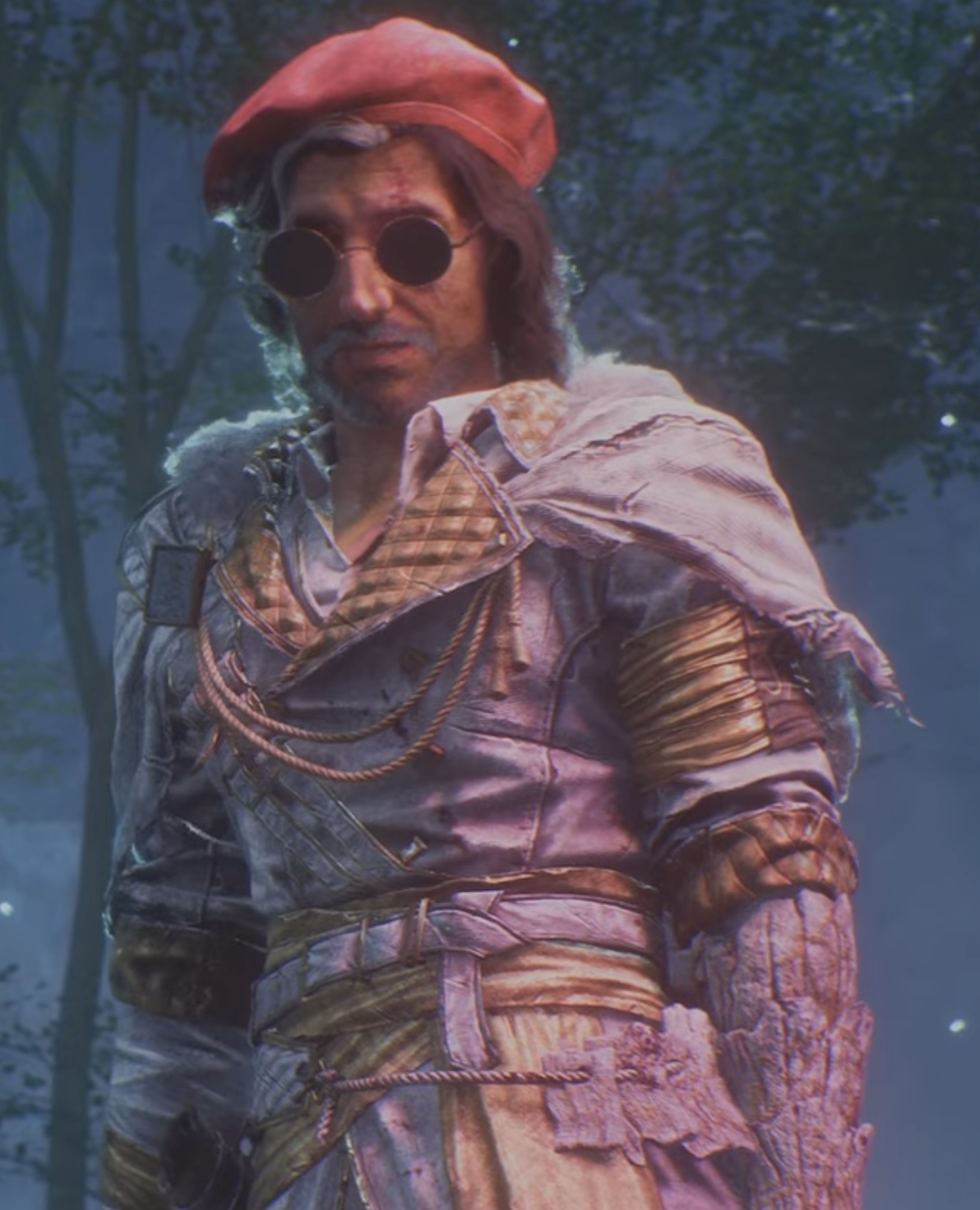
Picto is a great system for passive skills. Each character can equip three Pictos and gain their passive skills immediately. But each Picto helps you learn a Lumina version of its ability after a few battles with the Picto equipped. So the benefit of the Picto can then be equipped as a Lumina to all your characters. This system not only allows the best benefits to be used on all your characters rather than choosing one, but it forces Pictos to constantly be changed out and Lumina to constantly be tweaked so each character is both learning additional Lumina for the team and taking advantage of the new Lumina being learned by the other party members. Lumina points also go up with levels, so characters get to add more and more passive skills to their build as the game goes on. I loved this system, and if anything, there were too many skills to choose from by the end of the game and deciding on builds became overwhelming.
I’m going to talk about combat in two sections. To start, the basic turn-based combat is fantastic. Characters earn AP using regular attacks as well as blocking and parrying to then pull off more powerful skills that require bigger AP costs. The choice of using lower-cost AP skills or saving them up for later in the battle made for some really interesting decisions at every moment in combat. The core gameplay of the turn-based combat is wonderful; I would welcome it in any RPG.
The two active elements of the combat, on the other hand, are where the game tried my patience. The first is QTEs for each basic attack and skill. They were always too easy and didn’t feel like they had much benefit to the combat, because the rare times I missed them, the damage wasn’t affected a huge amount. But QTEs in turn-based combat have been around for a while, so I adapted and they eventually became invisible.
The defensive active elements—parrying, dodging, and jumping—are where the game lost me. Though, to be fair, it didn’t lose me until very late in the runtime. I was in the third-to-last dungeon before I finally had to give up on it. The reason is not the skills themselves. Most of the game, you go into combat and slowly learn the patterns and can come out on top very easily. It’s the game's last few bosses where these elements break down from a satisfying layer on combat to a point of rage. The patterns of the bosses, and endgame enemies, are purpose-built to screw with your timing. Bosses will adopt new patterns late into their second phase that fake out a pattern you have memorized up to that point and crush your rhythm, causing late-battle wipes ten minutes into a tough boss fight where you have already parried 100 attacks.
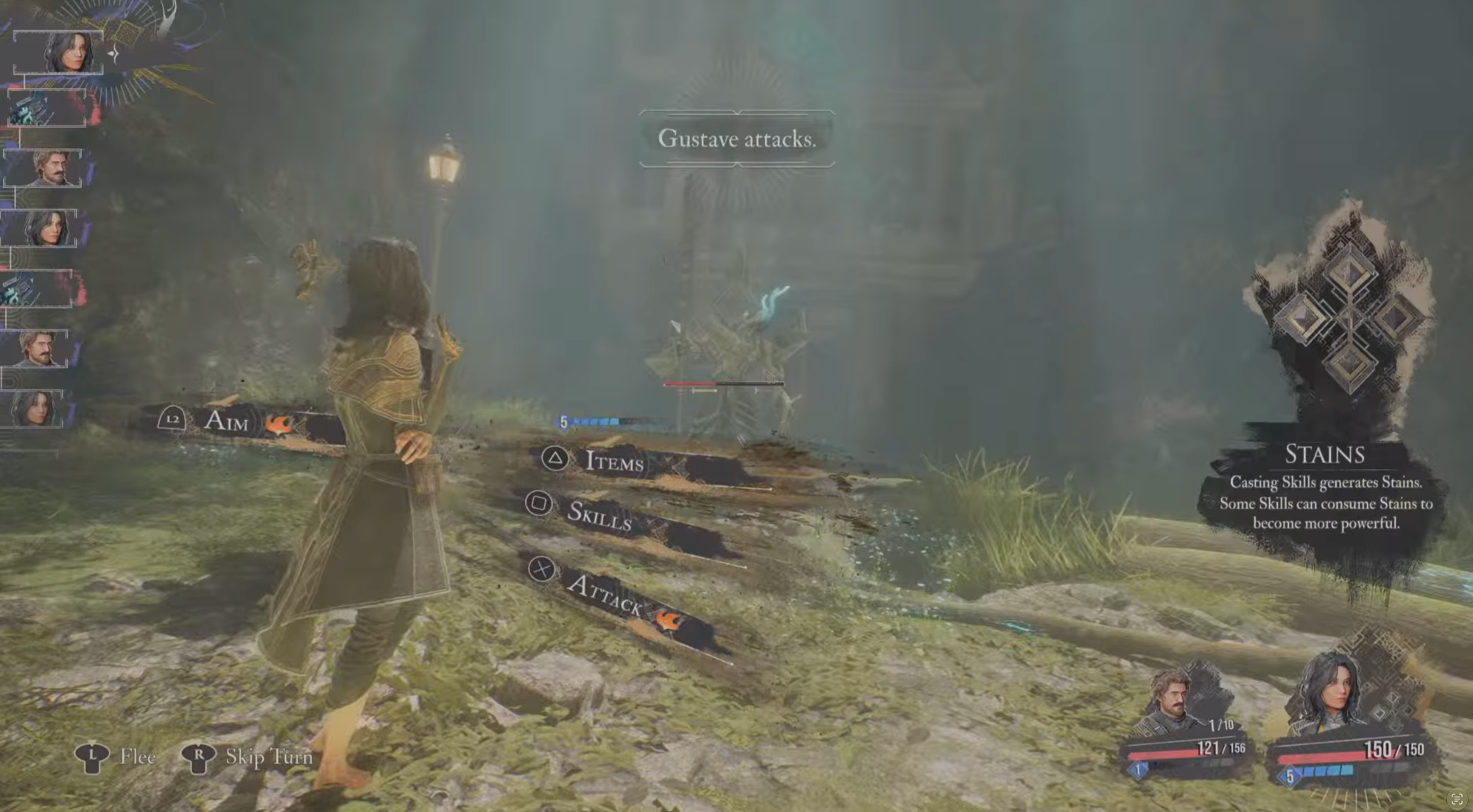
The amount of damage these late-game bosses and enemies do to your party when you miss parries is devastating, and because they come late in the fight, my healing and resurrection items were often already taken up.
After struggling through and beating the Axon Visages on regular difficulty, I went into the next dungeon and started fighting enemies with entirely new and even more frustrating patterns, and that’s when I decided to lower the difficulty. I felt my patience running out, and if I stalled here and went to play something else, I feared I would come back in an even worse state. The lower difficulty extends the dodge and parry windows to make them far more manageable. I was able to adapt much easier to the patterns these endgame enemies were throwing at me. But the lowest difficulty also reduced the damage the enemy does to the party to the point where the game felt too easy to get through. I was able to dodge and parry a lot easier but was still taking plenty of hits, but those hits now felt inconsequential. I immediately desired a midpoint where those dodge and parry windows were more forgiving but damage was just the same as on medium difficulty so the game still felt challenging.
I champion the “story” level difficulty; games should be accessible to anyone who wants to pick up a controller. But I feel like there certainly could have been more than three difficulty settings, and playtesting certainly would have figured out that additional steps between would have offered a more tailored experience for players, like me, who are more traditional turn-based RPG fans who just want the active systems to be a little more forgiving. In fact, I discovered that a mod exists for the PC version of the game after I wrote the majority of this article. So I am certainly not the only person who desired this kind of experience. I think now that technology has matured the experience for the player is going to be the next horizon that gets better. Infinitely complex difficulty settings are the future!
Story and Characters
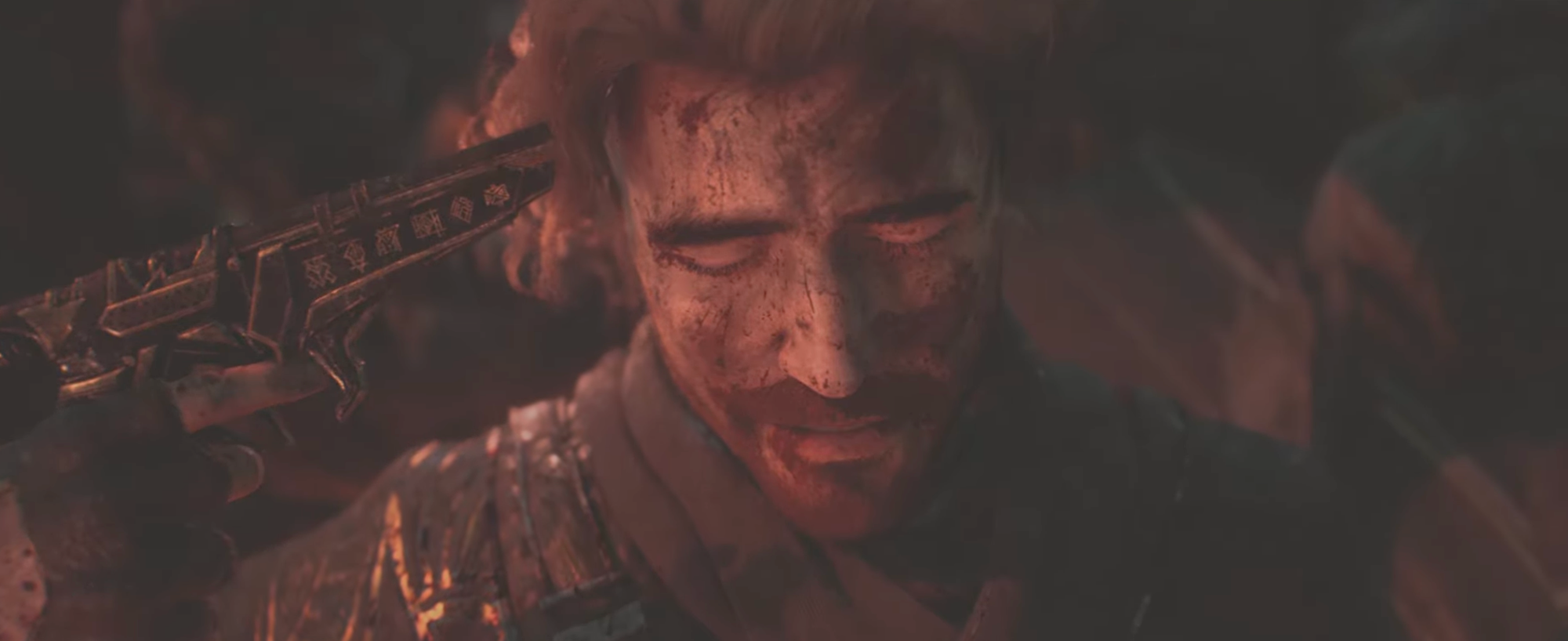
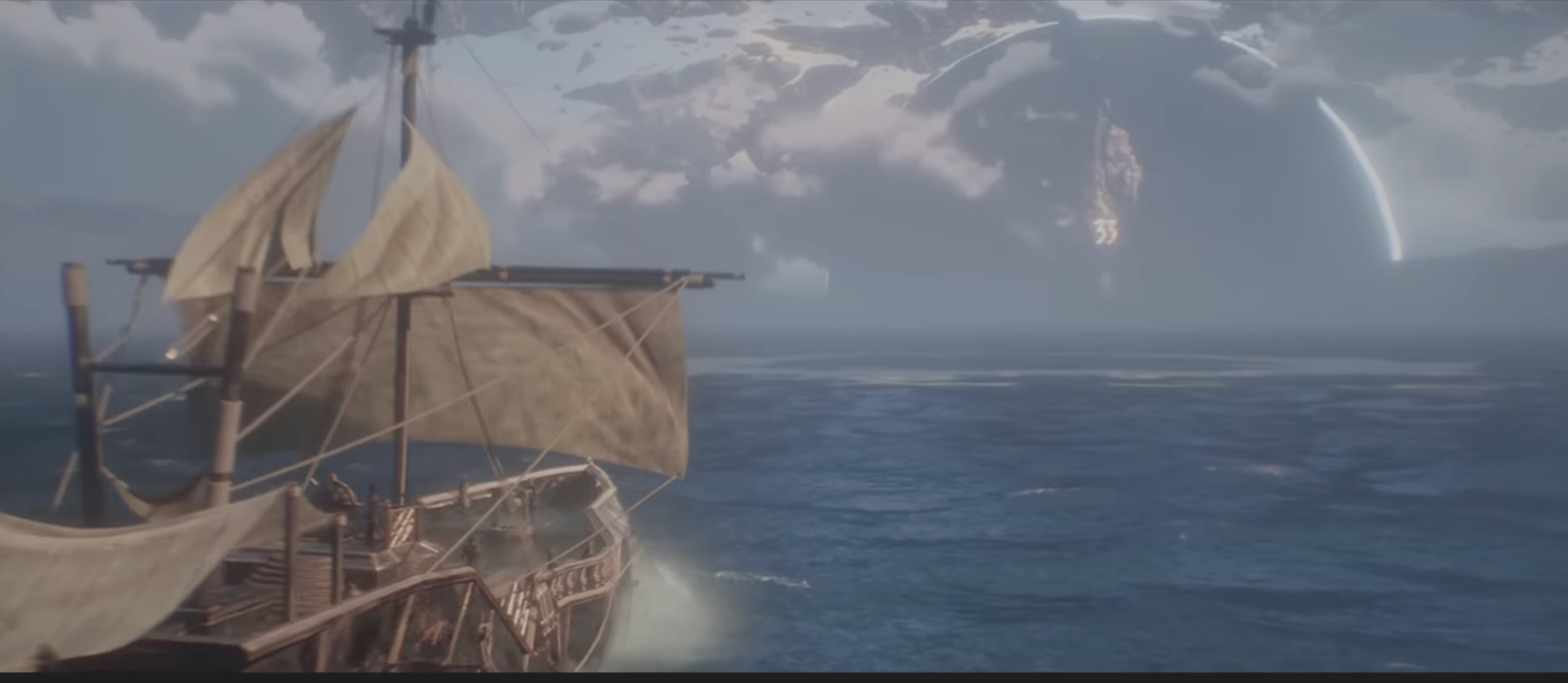
From the moment Expedition 33 starts, the player is dropped into a familiar yet alien world that works on its own set of logic and rules. There is rubble and debris floating in the sky; no one seems bothered by it. There is an imposing monolith far off in the distance; it is just a fact of life. The most horrifying fact of this world is shown within the first ten minutes: The Gommage, shown to the audience as it erases anyone older than 33 years old.
The strength of Expedition 33 is in the storytelling and world-building, but more specifically, it’s in how the game presents information by starting the narrative in media res and allowing the player to absorb the information as the world is shown to them. The game never dumbs anything down or gives any massive info dumps—this applies even to the journals discovered throughout the game, which provide just enough backstory for the Expedition's journey to the Monolith.
Characters are treated the same way as the story unfolds. The player meets the characters and has to understand who they are for the first half of the game just by watching them react to their circumstances and through brief bits of dialogue. It’s only after Verso is introduced as an outsider to the group that he then dives into their history through dialogue options, but by the time that occurs, the player already has a pretty good sense of who all the characters are and what their personality types are. Revealing their backstory at that point adds color and depth to already established characters.
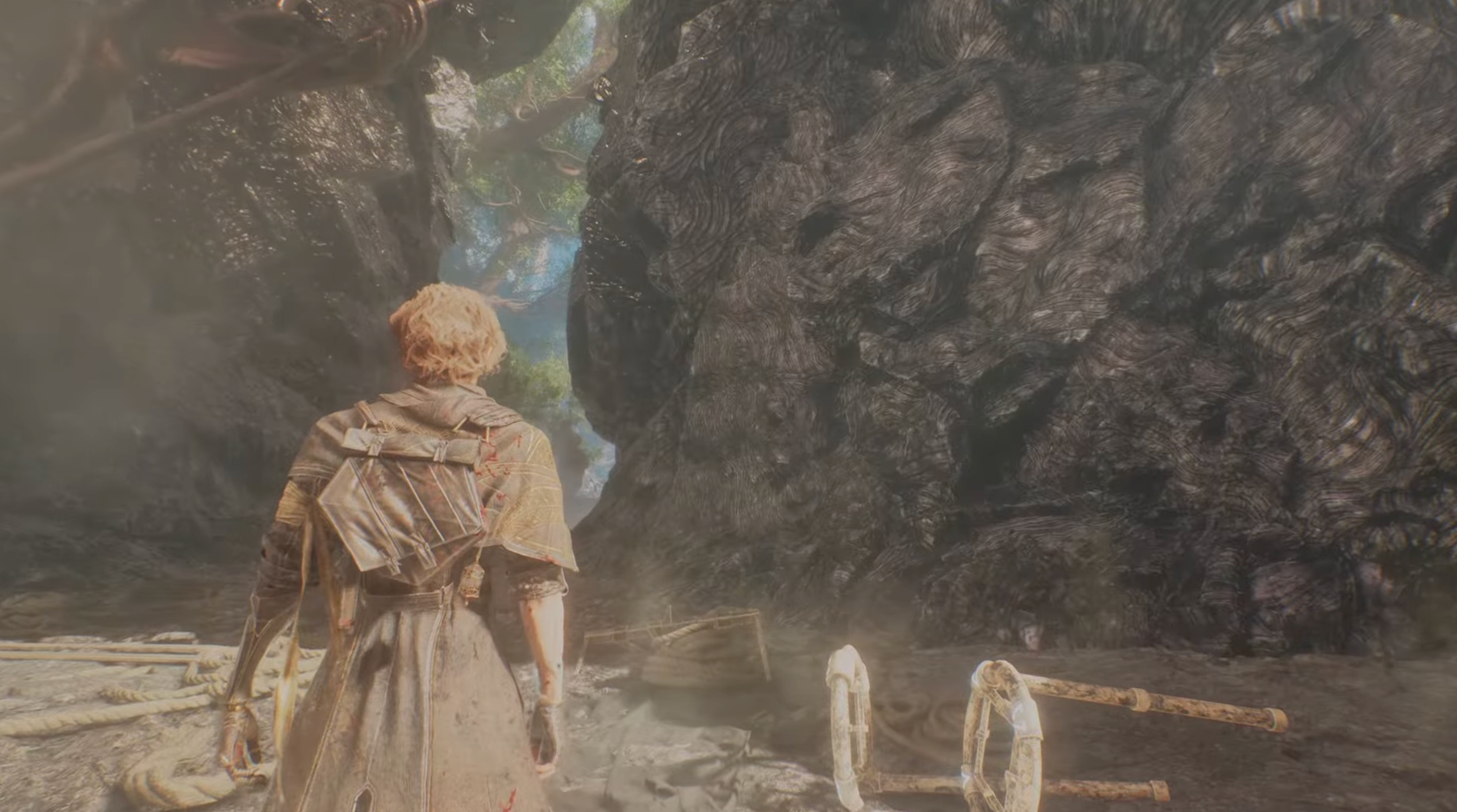
I don’t want to dive too deep into the details of the story beyond what I’ve already said, but the quality is consistent throughout. It maintains the mystery without ever feeling like the narrative is overly complicated or convoluted—a problem with a lot of Japanese turn-based RPGs. In fact, the real strength of Expedition 33 is that the story is about a single family and their relationship to each other. The grand narrative of the world shattering and the Expeditions all lend backstory and color to that core narrative, but the main story is a small one. One family shaped by grief, and how they deal with that grief, ripples out and affects the entire narrative.
The Game Awards
So, with all my complaints and all my praise, does Expedition 33 deserve to be the most nominated, most winning game in the history of The Game Awards?
I mean… yes. But 2025 was also not an overall strong year for video games. Even if it was, the other games nominated kind of reveal why Expedition 33 made a huge splash both with game fans and at The Game Awards: Death Stranding 2, Kingdom Come: Deliverance II, Hades II, Hollow Knight: Silksong, Donkey Kong Bonanza. All of those are great games in their own right, but they are all sequels or the latest entry of long-running franchises. Expedition 33 stood out as a unique piece of art with something unique to say and an exceptional way to say it. In a field of things we’ve seen before, Expedition 33 was not just an exceptional piece of art, but it is an exceptional piece of art that was new and interesting.
There might still be some questionable categories to stick Expedition 33 into… can it really be considered an independent game? If it can, maybe the descriptor "independent game" no longer means anything. When I think of “indie games,” I still think of Super Meat Boy and not a video game starring Andy Serkis. But hey, as technology continues to shrink our world and expand what smaller teams are capable of, maybe our definitions of indie and non-indie need to start changing. Maybe budget or team size need to start being accounted for, because when you have an Expedition 33 going up against single-digit-sized teams like Team Cherry or Dogubomb, our definitions need to evolve.
Still, with our industry being more and more dominated by massive games that stay in development for years, giving praise to smaller teams and companies that are new to the industry give me hope for games overall. Is Expedition 33 a perfect game? Certainly not. But it’s an experience that I was glad to have that emotionally resonated with me. It’s a well executed piece of art in the purest sense of the word. In a world that is constantly reminding us that games are controlled by cold, relentless capitalists it’s nice to have a reminder of what games are supposed to be. Pieces of interactive art that can put you in the role of character and force you to empathize with them in ways that books or movies could never accomplish.
